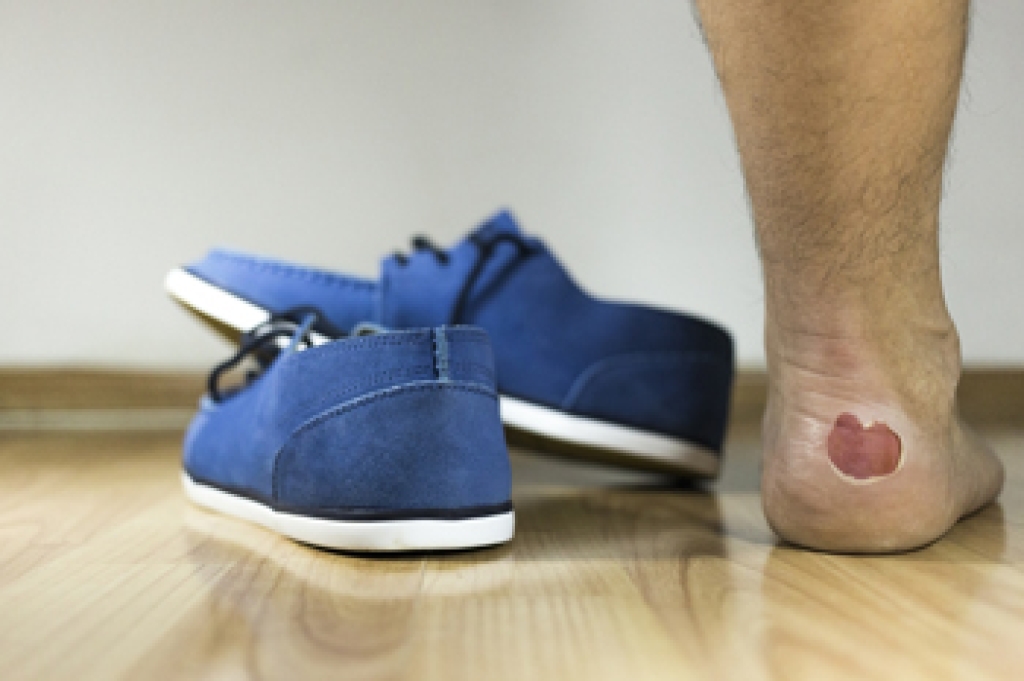
Types and Causes of Athlete’s Foot

Athlete's foot is a skin infection that affects the feet and is often caused by fungi that thrive in warm, and moist areas. Three common types of athlete's foot infections are interdigital, moccasin, and vesicular athlete’s foot. Interdigital athlete's foot develops between the toes and causes redness, peeling, and itching. Moccasin type affects the sole and sides of the foot, resulting in thickened, dry, and cracked skin. Vesicular type includes small fluid-filled blisters that may be painful. Causes include contact with contaminated surfaces, wearing tight-fitting shoes, and excessive sweating that creates a damp environment. The infection can spread through direct contact or shared spaces like pools or gyms. A podiatrist can confirm the diagnosis and provide medical treatment to clear the infection and protect the skin. If you have symptoms of athlete's foot, it is suggested that you schedule an appointment with a podiatrist for a diagnosis and appropriate treatment.

Athlete’s Foot

Athlete’s foot is often an uncomfortable condition to experience. Thankfully, podiatrists specialize in treating athlete’s foot and offer the best treatment options. If you have any questions about athlete’s foot, consult with one of our podiatrists from Comprehensive Footcare Clinic - Hawaii. Our doctors will assess your condition and provide you with quality treatment.

What Is Athlete’s Foot?

Tinea pedis, more commonly known as athlete’s foot, is a non-serious and common fungal infection of the foot. Athlete’s foot is contagious and can be contracted by touching someone who has it or infected surfaces. The most common places contaminated by it are public showers, locker rooms, and swimming pools. Once contracted, it grows on feet that are left inside moist, dark, and warm shoes and socks.

Prevention

The most effective ways to prevent athlete’s foot include:

  • Thoroughly washing and drying feet
  • Avoid going barefoot in locker rooms and public showers
  • Using shower shoes in public showers
  • Wearing socks that allow the feet to breathe
  • Changing socks and shoes frequently if you sweat a lot

Symptoms

Athlete’s foot initially occurs as a rash between the toes. However, if left undiagnosed, it can spread to the sides and bottom of the feet, toenails, and if touched by hand, the hands themselves. Symptoms include:

  • Redness
  • Burning
  • Itching
  • Scaly and peeling skin

Diagnosis and Treatment

Diagnosis is quick and easy. Skin samples will be taken and either viewed under a microscope or sent to a lab for testing. Sometimes, a podiatrist can diagnose it based on simply looking at it. Once confirmed, treatment options include oral and topical antifungal medications.

If you have any questions, please feel free to contact our office located in Honolulu, HI . We offer the newest diagnostic and treatment technologies for all your foot care needs.

Read more about Athlete's Foot

Loss of Balance Can Add to Risk of Falls

Balance issues often begin with problems in the feet and ankles, especially as people age. Good balance depends on being able to feel the ground and move with stability. Diabetes-related nerve damage, called neuropathy, can reduce feeling in the feet and affect the balance. Fallen arches, arthritis, joint stiffness, and painful foot deformities can also change the way a person walks and increase the risk of falling. Shoes that do not fit well or do not provide enough support can further affect balance and lead to slips or trips. A podiatrist can examine foot structure, check circulation and nerve function, and identify problems that affect balance and safe movement. Treatment includes custom orthotics, bracing, and guidance on supportive footwear. Improving foot stability can help retain balance and reduce the risk of falls. If you have injured your foot or ankle from falling, it is suggested that you schedule an appointment with a podiatrist for effective treatment solutions and prevention tips.

Preventing falls among the elderly is very important. If you are older and have fallen or fear that you are prone to falling, consult with one of our podiatrists from Comprehensive Footcare Clinic - Hawaii. Our doctors will assess your condition and provide you with quality advice and care.

Every 11 seconds, an elderly American is being treated in an emergency room for a fall related injury. Falls are the leading cause of head and hip injuries for those 65 and older. Due to decreases in strength, balance, senses, and lack of awareness, elderly persons are very susceptible to falling. Thankfully, there are a number of things older persons can do to prevent falls.

How to Prevent Falls

Some effective methods that older persons can do to prevent falls include:

  • Enrolling in strength and balance exercise program to increase balance and strength
  • Periodically having your sight and hearing checked
  • Discuss any medications you have with a doctor to see if it increases the risk of falling
  • Clearing the house of falling hazards and installing devices like grab bars and railings
  • Utilizing a walker or cane
  • Wearing shoes that provide good support and cushioning
  • Talking to family members about falling and increasing awareness

Falling can be a traumatic and embarrassing experience for elderly persons; this can make them less willing to leave the house, and less willing to talk to someone about their fears of falling. Doing such things, however, will increase the likelihood of tripping or losing one’s balance. Knowing the causes of falling and how to prevent them is the best way to mitigate the risk of serious injury.  

If you have any questions, please feel free to contact our office located in Honolulu, HI . We offer the newest diagnostic and treatment technologies for all your foot care needs.

Read more about Falls Prevention

Heel Pain in the Morning?

Heel pain can negatively affect your day-to-day life. Simple activities like walking can become incredibly uncomfortable or painful due to heel pain.

Don’t live with heel pain and get treated.

Foot Pain in the Arch and Toes as You Age

Pain in the middle of the foot and changes in the smaller toes can develop gradually, over time. These problems are more common with aging and increased body weight, which place extra pressure on the feet. Arthritis in the arch area can cause stiffness, swelling, and discomfort during walking or standing. At the same time, the lesser toes may begin to bend or shift, leading to deformities such as hammertoes or claw toes. This can create pressure points, corns, and trouble with shoes. Wearing supportive footwear, using custom orthotics, and seeking early care can help reduce strain and improve comfort. Gentle activity and weight management may also help protect foot health. If you notice ongoing pain, toe changes, or difficulty with movement, it is suggested you seek evaluation by a podiatrist for proper care and guidance.

Arthritis can be a difficult condition to live with. If you are seeking treatment, contact one of our podiatrists from Comprehensive Footcare Clinic - Hawaii. Our doctors can provide the care you need to keep you pain-free and on your feet.

Arthritic Foot Care  

Arthritis is a joint disorder that involves the inflammation of different joints in your body, such as those in your feet. Arthritis is often caused by a degenerative joint disease and causes mild to severe pain in all affected areas. In addition to this, swelling and stiffness in the affected joints can also be a common symptom of arthritis.

In many cases, wearing ill-fitting shoes can worsen the effects and pain of arthritis. Wearing shoes that have a lower heel and extra room can help your feet feel more comfortable. In cases of rheumatoid arthritis, the arch in your foot may become problematic. Buying shoes with proper arch support that contour to your feet can help immensely.

Alleviating Arthritic Pain

  • Exercises that stretch the foot can prevent further pain and injury and increase mobility
  • Most of the pain can be alleviated with anti-inflammatory drugs, heat, and topical medications
  • Massages can help temporarily alleviate pain.

It is best to see your doctor for the treatment that is right for your needs and symptoms. Conditions vary, and a podiatrist can help you determine the right method of care for your feet.

If you have any questions please feel free to contact our office located in Honolulu, HI . We offer the newest diagnostic tools and technology to treat your foot and ankle needs.

Read more about Arthritic Foot Care

When a Toenail Grows the Wrong Way

Ingrown toenails occur when the edge of the nail grows into the surrounding skin. This can lead to pain, redness, and swelling along the nail border. The area may feel tender to the touch, especially when wearing shoes. In some cases, it can become infected and cause drainage or increased warmth. This condition often develops from improper nail trimming, tight footwear, injury, or naturally curved nails that press into the skin. As the nail continues to grow inward, discomfort can worsen and make walking painful. A podiatrist can evaluate the severity of the ingrown nail and provide safe, effective treatment. Care options include trimming or removing the affected portion of the nail, treating any infection, and offering guidance on proper nail care to prevent recurrence. In more persistent cases, a minor procedure may be performed to address the nail edge permanently. Early treatment helps relieve pain and reduces the risk of complications. If you have an ingrown toenail, it is suggested that you make an appointment with a podiatrist.

Ingrown toenails can become painful if they are not treated properly. For more information about ingrown toenails, contact one of our podiatrists of Comprehensive Footcare Clinic - Hawaii. Our doctors can provide the care you need to keep you pain-free and on your feet.

Ingrown Toenails

Ingrown toenails occur when a toenail grows sideways into the bed of the nail, causing pain, swelling, and possibly infection.

Causes

  • Bacterial infections
  • Improper nail cutting such as cutting it too short or not straight across
  • Trauma to the toe, such as stubbing, which causes the nail to grow back irregularly
  • Ill-fitting shoes that bunch the toes too close together
  • Genetic predisposition

Prevention

Wearing proper fitting shoes and using proper cutting techniques will also help decrease your risk of developing ingrown toenails.

Treatment

Ingrown toenails are a very treatable foot condition. In minor cases, soaking the affected area in salt or antibacterial soaps will not only help with the ingrown nail itself, but also help prevent any infections from occurring. In more severe cases, surgery is an option. In either case, speaking to your podiatrist about this condition will help you get a better understanding of specific treatment options that are right for you.

If you have any questions, please feel free to contact our office located in Honolulu, HI . We offer the newest diagnostic and treatment technologies for all your foot care needs.
Read more about Ingrown Toenail Care

Connect With Us