
Ingrown toenails can be painful and can make wearing shoes or walking uncomfortable. Seek professional help if you believe you've developed an ingrown toenail and be treated safely.
Ingrown toenails can be painful and can make wearing shoes or walking uncomfortable. Seek professional help if you believe you've developed an ingrown toenail and be treated safely.
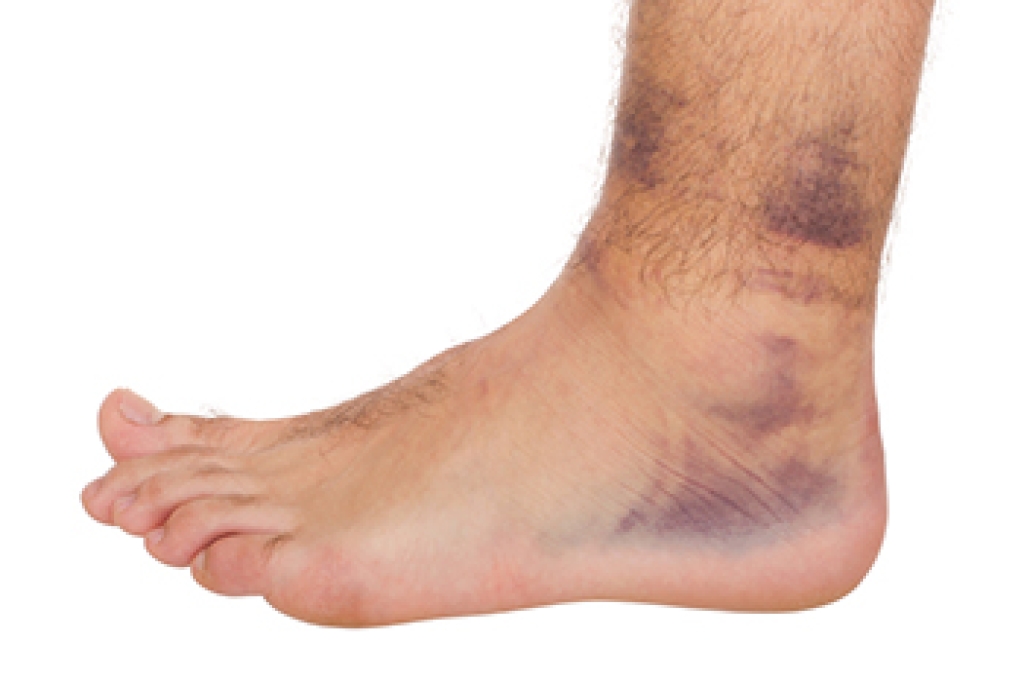
An ankle sprain happens when the strong bands of tissue that help hold the ankle together are stretched or torn. This can happen when the foot twists, rolls, or turns in an unusual direction. Ankle sprains can occur while playing sports, walking on uneven ground, or stepping awkwardly. Pain, swelling, and difficulty putting weight on the foot can develop after an injury. The severity depends on how much the supporting tissue has been damaged. A mild sprain can cause stretching, while a more serious sprain can involve a partial or complete tear. A podiatrist can examine the ankle and determine the severity of the injury.
A podiatrist can check the ankle’s movement, stability, and areas of tenderness. This examination helps determine whether the injury is a sprain or another problem, like a broken bone. Treatment depends on the severity of the sprain and how the ankle is functioning. Care can include protecting the injured ankle, supporting the joint, and using a structured plan to restore movement and strength. A podiatrist can also evaluate how the foot and ankle work together while walking. This can help identify problems that could affect recovery or increase stress on the ankle. More serious sprains require closer monitoring because the ankle can remain weak or unstable after the initial injury.
Some ankle sprains cause significant swelling, severe pain, or difficulty putting weight on the foot. A podiatrist can determine whether imaging is appropriate when a fracture or another injury is suspected. Severe sprains can sometimes require a brace or other support while the ankle heals. Returning to sports too quickly can place stress on an ankle that has not fully recovered. A podiatrist can help guide the recovery process and determine when the ankle is ready for increased activity. If you have sprained your ankle, it is suggested that you schedule an appointment with a podiatrist for effective relief and treatment solutions.
Although ankle sprains are common, they aren’t always minor injuries. If you need your ankle injury looked at, contact one of our podiatrists from Comprehensive Footcare Clinic - Hawaii. Our doctors can provide the care you need to keep you pain-free and on your feet.
How Does an Ankle Sprain Occur?
Ankle sprains are the result of a tear in the ligaments within the ankle. These injuries may happen when you make a rapid shifting movement while your foot is planted. A less common way to sprain your ankle is when your ankle rolls inward while your foot turns outward.
What Are the Symptoms?
Preventing a Sprain
Treatment of a Sprain
In many cases, the RICE method (Rest, Ice, Compression, and Elevate) is used to treat ankle sprains. However, you should see a podiatrist to see which treatment option would work best with your injury. In severe cases, surgery may be required.
It is important to ask your doctor about rehab options after you receive treatment for your injury. Stretching, strength training, and balance exercises may help the ankle heal while also preventing further injury.
If you have any questions, please feel free to contact our office located in Honolulu, HI . We offer the newest diagnostic and treatment technologies for all your foot care needs.
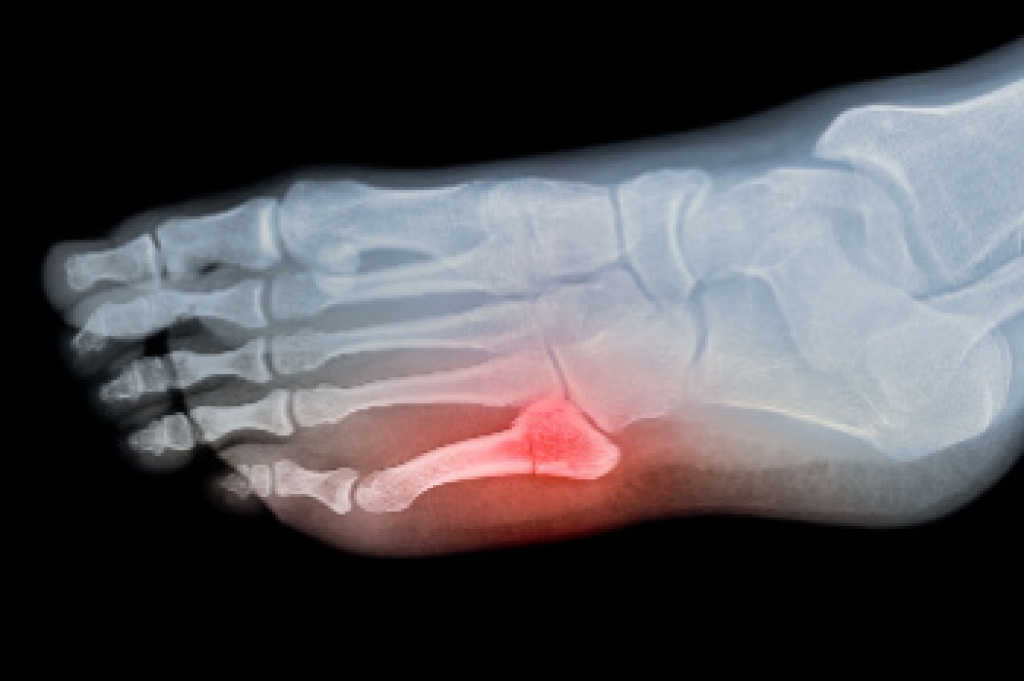
A toe fracture, commonly known as a broken toe, affects the bones within the toes. These bones play a key role in maintaining balance and supporting movement during walking and standing. A fracture can occur when the toe experiences a strong impact or repeated stress. This type of injury frequently occurs in both active individuals and those performing everyday tasks. Understanding the definition and causes of a broken toe can help guide appropriate care and prevention.
Symptoms of a toe fracture often develop quickly after the injury. Pain is usually immediate and may worsen with movement or pressure. Swelling and bruising are common, and the toe may feel stiff or difficult to move. In more serious cases, the toe may appear bent or out of position. What it looks like can vary depending on severity, but discoloration and visible swelling are typical indicators. Some individuals may also notice warmth or sensitivity around the injured area, which can signal inflammation.
Several risk factors can increase the likelihood of breaking your toe. These include participation in sports, lack of protective footwear, and walking in environments where hazards are present. Causes often involve direct trauma, such as hitting the toe against furniture or dropping an object on the foot. Repetitive stress from activities like running may also contribute to stress fractures over time. Individuals with reduced bone strength may be more vulnerable to this type of injury. Recognizing these factors can help reduce the chance of future incidents.
Proper evaluation and care are important for ensuring that the toe heals correctly. Rest, protection, and gradual return to activity can support recovery. In some cases, medical treatment may be necessary to address alignment or prevent complications. Paying attention to symptoms and seeking timely care can improve outcomes and restore function. If you have broken your toe, it is suggested that you consult a podiatrist for effective relief and treatment tips.
A broken toe can be very painful and lead to complications if not properly fixed. If you have any concerns about your feet, contact one of our podiatrists from Comprehensive Footcare Clinic - Hawaii. Our doctors will treat your foot and ankle needs.
What to Know About a Broken Toe
Although most people try to avoid foot trauma such as banging, stubbing, or dropping heavy objects on their feet, the unfortunate fact is that it is a common occurrence. Given the fact that toes are positioned in front of the feet, they typically sustain the brunt of such trauma. When trauma occurs to a toe, the result can be a painful break (fracture).
Symptoms of a Broken Toe
Generally, it is best to stay off of the injured toe with the affected foot elevated.
Severe toe fractures may be treated with a splint, cast, and in some cases, minor surgery. Due to its position and the pressure it endures with daily activity, future complications can occur if the big toe is not properly treated.
If you have any questions, please feel free to contact our office located in Honolulu, HI . We offer the newest diagnostic and treatment technologies for all your foot care needs.

Foot corns are concentrated areas of thickened skin that develop in response to consistent pressure or friction. They most often form on the tops of toes, between toes, or on the outer edges of the foot, such as the pinky toe, where shoes rub repeatedly. These areas are prone to pressure due to their position against footwear or neighboring toes. Corns develop as a protective mechanism, but they can become painful and interfere with normal walking. Their central core can press inward, making even light contact uncomfortable.
Symptoms of foot corns include a firm, raised bump with a hard center and surrounding inflamed skin. The area may feel tender when touched or when pressure is applied during movement. Some corns develop between the toes and remain softer due to moisture, while others become dry and hardened. Individuals may notice redness, irritation, or a sensation of pressure within the affected area. Pain can increase when wearing tight shoes or during extended periods of standing or walking.
Several risk factors contribute to the formation of corns. Wearing ill-fitting shoes is one of the most common causes, particularly styles that crowd the toes or create uneven pressure. Foot deformities such as hammertoes or misaligned joints can increase friction points. Walking barefoot on hard surfaces or wearing shoes without proper cushioning may also elevate risk. Repetitive activities that place stress on the same areas of the foot can lead to the gradual development of corns.
Corns form because of repeated pressure that triggers the skin to thicken in a localized area. This protective response can become problematic when the thickened skin presses into deeper tissues. Managing pressure through wearing proper footwear and foot care is essential for prevention. Corns can be painful, and cause difficulty in completing daily activities. If this applies to you, it is strongly suggested that you consult a podiatrist who can offer effective relief solutions and prevention tips.
Corns can make walking very painful and should be treated immediately. If you have questions regarding your feet and ankles, contact one of our podiatrists of Comprehensive Footcare Clinic - Hawaii. Our doctors will treat your foot and ankle needs.
Corns: What Are They? And How Do You Get Rid of Them?
Corns are thickened areas on the skin that can become painful. They are caused by excessive pressure and friction on the skin. Corns press into the deeper layers of the skin and are usually round in shape.
Ways to Prevent Corns
There are many ways to get rid of painful corns such as:
Treating Corns
Although most corns slowly disappear when the friction or pressure stops, this isn’t always the case. Consult with your podiatrist to determine the best treatment option for your case of corns.
If you have any questions, please feel free to contact our office located in Honolulu, HI . We offer the newest diagnostic and treatment technologies for all your foot care needs.
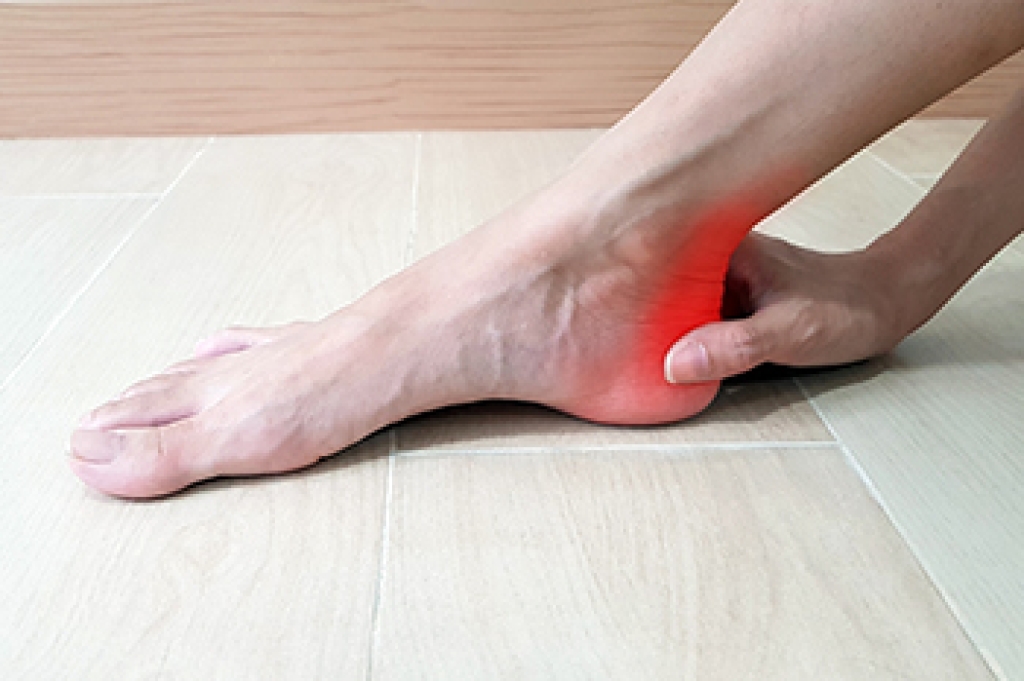
Achilles tendon injuries can cause pain and stiffness at the back of the ankle. The Achilles tendon is the strong band of tissue that connects the calf muscle to the heel. One condition affecting this area is Achilles tendinopathy, sometimes called tendinitis. Symptoms can develop gradually or appear suddenly. Patients can notice swelling, tenderness, or mild warmth around the tendon. Pain can become worse with movement or exercise. Stiffness can be stronger in the morning or after resting, while reduced ankle strength can make normal movement more difficult.
Achilles tendinopathy can affect both active and inactive people. A sudden increase in exercise can place more stress on the tendon than it is prepared to handle. Starting a new sport or increasing training intensity can have a similar effect. Long periods of standing can also contribute. Wearing shoes that fit poorly or are not suited to an activity can place added stress on the foot and ankle. Other factors linked with Achilles tendon problems include smoking, excess body weight, and certain health conditions. Understanding the source of the strain can help guide treatment and reduce continued stress on the tendon.
A podiatrist can evaluate an Achilles tendon injury by examining the painful area and checking foot and ankle movement. The assessment can also look at strength, walking patterns, and activities that increase symptoms. Treatment can focus on reducing strain while supporting healthy movement and tendon function. A podiatrist can recommend activity changes, targeted exercises, or shoe modifications based on the patient's condition. Care can also address foot mechanics that place extra pressure on the Achilles tendon. Persistent symptoms or worsening pain deserve a professional evaluation. If you have an Achilles tendon injury, it is suggested that you schedule an appointment with a podiatrist for a diagnosis and appropriate treatment.
Achilles tendon injuries need immediate attention to avoid future complications. If you have any concerns, contact one of our podiatrists of Comprehensive Footcare Clinic - Hawaii. Our doctors can provide the care you need to keep you pain-free and on your feet.
What Is the Achilles Tendon?
The Achilles tendon is a tendon that connects the lower leg muscles and calf to the heel of the foot. It is the strongest tendon in the human body and is essential for making movement possible. Because this tendon is such an integral part of the body, any injuries to it can create immense difficulties and should immediately be presented to a doctor.
What Are the Symptoms of an Achilles Tendon Injury?
There are various types of injuries that can affect the Achilles tendon. The two most common injuries are Achilles tendinitis and ruptures of the tendon.
Achilles Tendinitis Symptoms
Rupture Symptoms
Treatment and Prevention
Achilles tendon injuries are diagnosed by a thorough physical evaluation, which can include an MRI. Treatment involves rest, physical therapy, and in some cases, surgery. However, various preventative measures can be taken to avoid these injuries, such as:
If you have any questions please feel free to contact our office located in Honolulu, HI . We offer the newest diagnostic tools and technology to treat your foot and ankle needs.
Connect With Us
